
A Guide to Boating Safety
Written by Staff Writer
Boating is a fantastic way for families and scout troops to explore the great outdoors, bond and create lifelong memories on the water. Whether you are cruising on a tranquil lake, navigating a winding river or heading out into the open coastal waters, the thrill of being on a boat is an unmatched experience.
However, the water can be unpredictable, and safety must always be the absolute top priority before you even leave the dock. A successful day on the water requires much more than just packing sunscreen and snacks; it requires careful preparation, a solid understanding of maritime rules and ensuring you have the right emergency equipment on board.
Wearing a Life Jacket
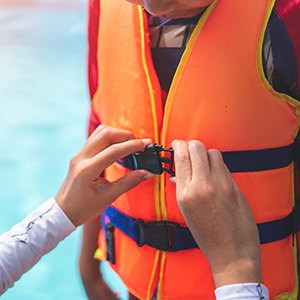
Life jackets, officially known as personal flotation devices (PFDs), are undeniably the most critical piece of safety equipment you can bring on any vessel. Regardless of a person's age, physical fitness or swimming proficiency, every single person on board should have a properly fitted, U.S. Coast Guard-approved life jacket readily accessible.
However, safety experts strongly recommend that everyone wear their life jacket at all times while the boat is in motion or on open water. Like insurance, your life jacket is something you don't plan to use, but accidents on the water tend to happen suddenly and without warning, so it's best to be prepared. In the event of a sudden capsize or an accidental fall overboard, the shock of cold water and the potential for injury can quickly incapacitate even the strongest swimmers.
A reliable life vest provides immediate, crucial buoyancy, dramatically reducing physical fatigue and keeping the wearer's head safely above the water until emergency help arrives. For families and scout troops, ensuring that children have life jackets that fit their specific weight and size is absolutely essential for a safe, worry-free boating experience.
Propeller Safety Awareness
While life jackets protect you from the water, you also need to protect your passengers from the boat itself - specifically, the propeller. A boat propeller rotates thousands of times per minute and can cause catastrophic, life-threatening injuries in a split second. Because drivers sit at the helm, it is incredibly easy to forget what is happening at the stern (back) of the boat.
To maintain a safe environment, never allow anyone to swim near the boarding platform or ladder while the engine is idling. Even in neutral, a propeller can drift and spin.
Always cut the engine completely before letting people board or exit the craft. As a captain, make it a habit to walk to the back of the vehicle and physically look into the water before turning the key, ensuring the area is entirely clear.
Getting a Vessel Safety Check
Before hitting the water for the boating season, it is crucial to ensure your vessel is in peak operating condition to prevent mechanical failures and potential emergencies. Organizations like the U.S. Coast Guard Auxiliary and the U.S. Power Squadrons offer highly valuable, completely free vessel safety checks to verify that your boat meets all federal and state safety requirements.
During this comprehensive check, a certified, experienced examiner will thoroughly inspect your safety equipment, electrical systems and mechanical components to identify any potential hazards, expired items or missing gear. They will specifically look at fire extinguishers, ventilation systems, navigation lights and visual distress signals.
Completing this inspection not only gives you peace of mind that your boat is fundamentally safe for your family and guests, but it also helps you avoid unexpected citations or fines from maritime law enforcement. By taking this proactive step, you are demonstrating responsible boat ownership and prioritizing the well-being of everyone who steps aboard your vessel.
Creating a Float Plan
A float plan is a simple, highly effective and potentially lifesaving document that tells someone back on land exactly where you are going and when you anticipate returning. Before casting off from the dock, leave a detailed itinerary with a trusted friend, family member or the local marina operator. This plan should comprehensively include your boat's physical description and registration information, the full names and emergency contact details of all passengers on board, your specific planned route and the exact time you expect to return to shore.
If you fail to return on time, get stranded due to engine failure or encounter an unexpected emergency, this vital information will significantly narrow down the search area for the Coast Guard and other rescue authorities. For families and scout troops heading out for a day of exploration, a float plan ensures that someone is always looking out for you, allowing emergency responders to locate you much faster if a crisis arises.
Checking the Weather
Weather conditions on open water can change drastically in a matter of minutes, quickly turning a calm, enjoyable outing into a highly dangerous, life-threatening situation. Always make it a strict habit to check the local marine weather forecast before you depart, paying close, careful attention to wind speeds, water temperatures, wave advisories and the potential for severe, fast-moving storms.
Even if the sky looks perfectly clear when you launch, you must remain incredibly vigilant and continually scan the horizon for changing conditions. If you notice darkening clouds gathering, sudden drops in ambient temperature, sudden shifts in wind direction or increasing wave heights while out on the water, it is always best to play it safe and head back to shore immediately.
Reporting Boating Accidents
No one plans on getting into an accident, but as a boat captain, you have a strict legal and ethical obligation to know how to handle the aftermath of a collision or emergency. Federal and state laws require boat operators to file an official boating accident report with local law enforcement or the Coast Guard when an incident meets specific criteria.
An official report must be filed immediately if an accident results in a death, a disappearance, an injury requiring medical treatment beyond basic first aid or significant property damage to the vessels involved. If you are involved in an incident, your first priority is to ensure everyone is safe and render immediate assistance, followed by exchanging identification and registration details with the other operator before formally reporting the event to maritime authorities.
Flares and Distress Signals
Flares and visual distress signals are critical, mandatory emergency tools designed specifically to alert other nearby boats, commercial vessels or rescue aircraft that you are in trouble and require immediate assistance. All recreational vessels should carry U.S. Coast Guard-approved visual distress signals, which can be pyrotechnic devices, such as aerial or handheld flares or non-pyrotechnic alternatives, such as bright orange distress flags or electronic SOS light devices.
It is absolutely essential for families, scout leaders and boat operators to fully understand how to use both daytime and nighttime signals safely and properly long before an emergency strikes.
Furthermore, you must regularly check the expiration dates on your pyrotechnic flares, as they typically expire after 42 months, and always store them in a dry, clearly marked and easily accessible location so you can deploy them instantly and confidently when every single second counts in a water rescue scenario.
Enrolling in Boating Safety Courses
While hands-on experience on the water is incredibly valuable, formal education is the bedrock of responsible seamanship. Enrolling in an officially approved boating safety course is highly recommended for all operators, and in many jurisdictions, it is a strict legal requirement depending on your age and the type of watercraft you are piloting.
These courses, often available both online and in-person through organizations like the Coast Guard Auxiliary, cover everything from basic boat handling and docking maneuvers to advanced emergency procedures and local navigation laws. For families and scout leaders, taking a safety course together is an excellent team-building activity that ensures everyone on board understands the fundamentals of maritime safety and knows exactly how to react if the captain becomes incapacitated.
Navigation and Waterway Rules
Just as driving a car on a busy highway requires a solid, comprehensive understanding of the "rules of the road" to prevent dangerous collisions and navigate shared roadways safely, operating a boat requires the same. Every single boater should take the time to learn basic navigation rules before ever leaving the dock. To ensure a safe trip for everyone, make sure you master the following fundamental regulations:
Understand Right-of-Way Protocols
Always know which vessel has the right of way when crossing paths or overtaking another boat to avoid dangerous, high-speed collisions.
Maintain a Safe Speed
Operate your vessel at a manageable speed at all times, keeping in mind that stopping a boat takes significantly longer than stopping a car.
Recognize Navigational Markers
Learn to properly identify and interpret channel markers, buoys and beacons that guide you away from shallow waters and submerged hazards.
Keep a Constant Lookout
Always have a designated person actively watching for other watercraft, swimmers, kayakers, floating debris and changing environmental conditions.
The Silent Danger: Carbon Monoxide
One of the most severely misunderstood dangers on a boat is carbon monoxide (CO) poisoning. Unlike most hazardous chemicals, carbon monoxide is an invisible, odorless and tasteless gas produced by internal combustion engines, including a boat's main engine and onboard generators. Because it cannot be seen or smelled, it can quickly accumulate to toxic levels in enclosed cabins, under canvas canopies and even in the open air near the back swim platform while the boat is idling.
To protect your passengers, never allow anyone to sit, swim or body-surf near the exhaust vents while the engine is running. Ensure your boat's cabin is well-ventilated, and install marine-grade CO detectors in all enclosed spaces.
Be aware that the early symptoms of CO poisoning — such as headaches, dizziness, drowsiness and nausea — are almost identical to seasickness, meaning the danger is frequently ignored until it is too late.
Alcohol and Boating
Operating any type of watercraft while under the influence of alcohol is a severe, unacceptable hazard and remains one of the leading causes of fatal boating accidents nationwide. The unique marine environment, characterized by the constant rocking motion of the waves, engine vibration, intense sun glare and steady wind, actually accelerates and amplifies the impairing physical and cognitive effects of alcohol.
This drastically reduces a boat operator's vital reaction time, impairs their situational judgment and severely diminishes their physical coordination. To keep absolutely everyone safe on the water, the designated boat operator should strictly avoid consuming alcohol entirely, maintaining absolute sobriety to navigate potential hazards effectively.
Any adult passengers should consume alcohol responsibly, ensuring they maintain their personal balance and situational awareness while onboard.
Making Every Trip a Safe Voyage
Boating safety boils down to proactive preparation and responsible decision-making on the water. By ensuring every passenger wears a properly fitted life jacket, consistently maintaining your vessel, keeping a close eye on changing weather conditions and operating the boat in accordance with local navigational rules, you set the stage for a perfect outing.
While the open water offers endless opportunities for family fun and scout adventures, respecting its power and unpredictability is what guarantees that everyone returns to the dock safely. Equip your boat with the right gear, educate your crew on emergency protocols and you will be able to enjoy the waves with complete confidence and peace of mind.
Additional Boating Safety Resources
- Water Hazards: Tips for Staying Safe Around Water
- Drowning Prevention
- Coast Guard Boating Safety Guide
- Safe Boating: How to Prepare for Hazards
- Boating Safety Tips
- Understanding Marine Weather Warnings
- Life Jackets and How to Choose One
- Tips for Safe Boating
- Distress Signals for Boaters
- Weather Hazards on the Great Lakes
- Beginner Guide to Summer Boating Safety
- Life Jackets, Swimming Lessons Key to Water Safety
- Alcohol and Boating