
A Comprehensive Guide to Over-the-Road Truck Driving
Written by Staff Writer
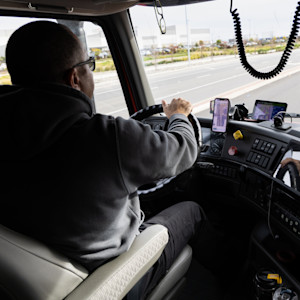
Over-the-road (OTR) truck driving offers an appealing mix of travel, independence and a change of scenery from the typical nine-to-five. It gives you the chance to spend your workdays out on the road while keeping freight moving where it needs to go.
The open road offers a strong sense of purpose and a level of freedom you won’t find in other careers. However, OTR driving is not a casual career move. The schedule can be demanding, the lifestyle can wear on you and the job requires plenty of time away from home. Before you commit, you should know what you’re getting into.
What Is an Over-the-Road Driver?
An OTR or long haul truck driver is a professional who transports freight over long distances, often spending several days or even weeks on the road.
Unlike local truckers who stay within a smaller area, long haul drivers travel across multiple states to ensure shipments arrive on time. Depending on the route and schedule, they may cover thousands of miles in a single week.
Most OTR driving jobs involve operating large combination vehicles, which require a Class A Commercial Driver’s License (CDL) and a clean driving record. OTR truckers work right at the heart of the supply chain, helping businesses move products over long distances.
Types of Truck Driving Jobs
Before diving into the specifics, it helps to see how OTR trucking compares with the other types of hauling. Trucking falls into three broad groups: OTR, regional and local. Distance, home time and scheduling define each.
- OTR driving: Requires long-distance runs that take drivers across multiple states and keep them away from home for days or longer. These jobs often involve the most miles and time on the road.
- Regional driving: Regional roles stay within a set part of the country (like the South or the Intermountain West). They usually cover shorter routes and allow operators to spend time at home more frequently, though the exact schedule depends on the carrier.
- Local driving: Local drivers work closer to their home terminal and generally come home at the end of the day. These jobs offer more predictable routines, but they may involve more stops, more city driving and fewer miles overall.
Knowing the difference can help you choose the kind of driving job that fits your goals and the amount of time you are willing to spend in the cab.
The Job and Lifestyle of an OTR Driver
Life as an OTR trucker follows a routine that is very different from most jobs. Drivers spend long stretches on the road, often covering major distances in a single week and spending nights away from home.
For some, that is part of the appeal. For others, it is one of the biggest adjustments. Either way, the job calls for consistent effort and a real commitment to the work.
Living Behind the Wheel
For long haul drivers, a truck becomes much more than a vehicle. It serves as their main living space during the workweek. Sleeper cabs are tightly packed with all the basics that make road life more manageable, such as a bed, storage space and room for small comforts like TVs and mini fridges that help truckers settle into a routine.
Beyond the cab itself, truck stops and rest areas are a part of daily life, giving drivers places to park, shower, eat and take a break between shifts.
Physical Demands and Health Considerations
Long-distance trucking can be hard on the body over time. Hours of sitting, irregular schedules, stress and limited access to healthy food can make it harder to maintain good habits.
That is why many drivers make a point to walk and exercise during breaks, plan meals when they can and build healthier routines into the job whenever possible. Many trucking companies now place greater emphasis on employee wellness and offer programs or resources that support healthier habits.
Managing Time and Deliveries
Managing time is a critical part of this job. Drivers must keep deliveries on schedule while also following federal hours-of-service rules that limit how much time they can drive during each shift. That means planning each day’s schedule carefully, from departure times and fuel stops to rest breaks and overnight parking sites.
To stay on track, tools like GPS and real-time updates help them adjust to traffic, weather or other delays without losing sight of safety or compliance.
Salary and Benefits
OTR drivers earn competitive salaries due to the demands and skills required for long haul driving. Pay varies widely based on factors like the carrier, the type of freight, the route and how often operators are behind the wheel.
Entry-level positions start at a lower rate and grow with experience and a proven safety record. Experienced truckers, especially those transporting specialized cargo such as hazardous materials, can earn significantly more.
Many trucking companies offer benefit packages that include health insurance, retirement plans, paid time off and performance-based bonuses. Depending on the company, additional perks may include paid training, access to newer equipment, profit sharing and opportunities for career advancement.
Skills and Qualifications Needed
Becoming an OTR driver requires a valid Class A CDL, which demands training, written testing and a skills exam before getting behind the wheel professionally.
However, that isn’t the only requirement. You need additional qualifications and soft skills to succeed in this kind of role.
- Strong driving record: Employers want drivers who show a consistent commitment to safe, responsible driving and good judgment.
- Physical and mental stamina: Long hours, changing schedules and extended time on the road mean drivers must stay focused and alert behind the wheel.
- Clear communication skills: OTR drivers need to communicate effectively with dispatchers, customers and others involved in pickups and deliveries.
- Problem-solving ability: Delays, route changes, breakdowns and weather issues are just part of the job, so drivers need to keep calm and respond well under pressure.
- Understanding of safety regulations: A working knowledge of transportation rules and regulations is essential for staying compliant and keeping both the driver and the load safe.
Together, these skills help drivers build professionalism and dependability.
Finding OTR Driving Jobs
OTR drivers can find opportunities across a wide range of carriers and freight companies. Some hire newly licensed drivers and provide training to help them move into long-distance routes. Others prefer more experienced candidates. Check company websites, job boards and other industry hiring resources for leads.
Be prepared with more than just a CDL. Employers will review your driving record and perform background checks and drug screenings. They also want to know that you fully understand what a career in long haul driving involves and are prepared for the demands of the role.
As you explore options, be sure to look closely at the fine details. Pay matters, but so do details like home time, the type of freight you would be hauling, the condition of the trucks and equipment and how much support is available for new drivers. Some companies may offer better training, more consistent routes or stronger benefits than others, which can make a big difference in your overall job satisfaction and the value of your total compensation.
Take Your Next Step
OTR trucking isn’t a typical career, and that is exactly what makes it so appealing. It offers an entirely different lifestyle built around independence, responsibility and a pivotal role in the national economy. While challenging, the job also offers long-term career growth and a strong sense of purpose.
If this road sounds like the right fit for you, SafeMotorist’s CDL course offerings can help you take the next step and start building the skills needed for a successful career in long haul trucking.