
Questions Every Used Car Buyer Should Ask
Written by Anna Coucke | Edited by Michael Purser
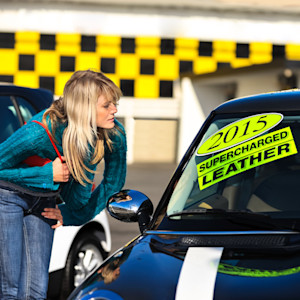
Buying a used vehicle can cost much less up front than buying new. But it might cost you more in the long run if you miss hidden problems or key details that lead to unexpected repairs.
That is why asking the right questions during the buying process is so important. A used car may look clean, have a good test drive and still come with accident damage, missed maintenance, title problems or repairs that can quickly eat into your budget.
The goal is to get a clear picture of the vehicle, spot any gaps in the story and make sure the paperwork, condition and price all check out. In this article, we will review the most important questions to ask when buying a used car and what they can help reveal.
Start With the Vehicle’s History
First and foremost, establish the car’s backstory. This is where you find out how it was used, what has been done to it and how much risk you may be taking on.
The answer to these questions can tell you a lot:
- How many owners has it had?
- How was it mostly used?
- Where and how has it been stored?
- Has it been in any accidents or had major repairs?
- If you are buying from a private seller, also ask:
- How long have you owned it?
- Why are you selling it now?
If you are buying from a dealership, swap those for:
- How did you get this vehicle?
- Was it a trade-in, lease return, auction vehicle or rental?
- How long has it been on the lot?
Two cars can look similar on paper but have very different lifespans depending on how they have been cared for. A highway commuter with higher mileage may have less wear and tear than a lower-mileage car that spent years stuck in traffic.
A vehicle from a snowy climate may have rust underneath even if the paint still shines. A former rental or rideshare car may have seen harder use than the odometer suggests.
You should also listen to how the story is told. Vague answers are not always a deal breaker, but they can be red flags. If the seller says the car was barely driven but the seats, pedals and steering wheel look heavily worn, pay attention to that mismatch.
This is also the point where you should ask about accident history and whether it has ever experienced:
- Bodywork
- Structural repair
- Airbag deployment
- Flood or water damage
A seller may describe an accident as minor, but you should keep digging to find out what that actually means. Minor cosmetic work is one thing. Frame damage, water intrusion or major repair work can significantly impact the car’s resale value and expected lifespan.
Check Maintenance Records and Reliability
Once the basic history makes sense, move on to maintenance. This matters more than mileage alone.
A used car with solid records and consistent service is a safer buy than a lower-mileage vehicle with no proof of upkeep. Try to learn the broad strokes. Was this vehicle correctly maintained, or driven into the ground with no upkeep?
Start with these questions:
- Do you have service records?
- When was the last oil change?
- What major maintenance has been done?
- Is anything due soon?
- Are there any warning lights or current issues?
You don’t need a perfect stack of paperwork going back ten years, but you do want some evidence of routine care. Proof of oil changes, brake work, tires, battery replacement, transmission service, cooling system work and other scheduled maintenance all help show how the vehicle was treated.
Ask when the last major service was done and what it included. A new timing belt, spark plugs, transmission service, or brake work can be a meaningful expense. If that work was just done, that is one less thing for you to worry about. If it is overdue or needs to be done soon, you need to factor that into the deal.
Also establish what the vehicle needs next. A seller may admit the tires are worn, the brakes will need attention soon or the air conditioning works only sometimes. None of those are necessarily deal-breakers, but they can affect what the car is worth to you.
Use the Walkaround to Verify the Story
A quick look around the car should help you test whether the seller’s story matches what the vehicle shows you.
As you look over the exterior, ask:
- Has any part been repainted?
- Was any bodywork done?
- Has the windshield been replaced?
- Are there any dents, scratches or rust spots I should know about?
Be on the lookout for signs of past damage or neglected maintenance such as mismatched paint, uneven gaps between panels, overspray, rust bubbles, cracked plastic and uneven tire wear.
Inside the vehicle, ask:
- Has water ever been inside?
- Does everything work the way it should?
- Are there any features that only work intermittently?
Then check for yourself. Test every component, including the windows, locks, mirrors, lights, heat, air conditioning, seat controls, audio system, backup camera and charging ports.
Look at the carpets and in the trunk. Pay special attention to smells. A musty smell can suggest water intrusion. A strong air freshener or disinfectant smell may be covering something up.
These may seem small on their own, but that’s how all large problems start. A few ignored interior and cosmetic issues may also indicate lapsed mechanical upkeep. On the other hand, a seller who kept up with the basics often kept up with the bigger stuff, too.
Questions During the Test Drive
A test drive should tell you more than whether the engine turns on and the radio works.
Before you head out, ask:
- Can I start it cold?
- Can we drive on both local roads and the highway?
- Have you noticed any noises, vibrations or handling issues?
- Has it ever overheated, stalled or had trouble starting?
A cold start can reveal noises, smoke or rough running that may disappear once the car warms up. Driving at city speeds helps you get a feel for braking, steering, suspension and low-speed drivability. Highway driving helps you catch wind noise, alignment problems, wheel vibration and transmission behavior at speed.
During the drive, ask yourself these questions:
- Does it start easily?
- Does it idle smoothly?
- Does it accelerate without hesitation?
- Does the transmission shift cleanly?
- Does the steering feel straight and stable?
- Do the brakes feel smooth and predictable?
- Do you hear clunks, rattles, whining or grinding?
Focus on whether anything feels unusual. A steering wheel that shakes at highway speeds, a hard shift, a pull when braking or a humming wheel bearing might seem minor, but each can signal a problem that needs attention.
Confirm the Title and Paperwork
A car can drive beautifully and still be a bad purchase if the paperwork isn’t in order.
Before you hand over a deposit or sign anything, ask:
- Do you have the title in hand?
- Is the title in your name?
- Is the title clean, rebuilt or salvage?
- Does the VIN match the dash, driver’s door jamb and paperwork?
- Is there a lien or outstanding loan?
- Can I see the vehicle history report?
If you are buying from a dealer, ask for the paperwork early. If you are buying from a private seller, make sure the name on the title exactly matches seller, or that they can clearly explain why it does not.
It’s important to get these details in order because they tell you whether the car’s story is clean, consistent and legally straightforward. You want to know that the vehicle matches its paperwork and that the title will not create problems later.
You also want the mileage and history to make sense compared to the condition. When those line up, you can feel more confident that the vehicle has been represented honestly. When they don’t, it’s a sign to slow down and ask more questions.
Leave Price Until the End
Price matters, but it should not be the first thing you ask about. First, verify the vehicle’s condition, then decide whether you want to negotiate.
Once you are comfortable with the history, condition, inspection and paperwork, move to the money questions:
- Is there room to negotiate?
- What is the full out-the-door price?
That last question is especially important at a dealership. The advertised price is often not the final number. Ask for a written out-the-door figure that includes taxes, registration, dealer fees and any add-ons.
Also check and see:
- Are any add-ons included?
- Which ones are optional?
- Is there any warranty remaining?
- Is it being sold as-is?
- Is there a return or exchange policy?
This is where dealer and private-party sales differ most. Private sellers usually keep it simple, with a set price and an as-is sale, while dealers may offer other options such as financing, warranties, service contracts or certified pre-owned coverage.
Ask for an Independent Inspection
This is one of the most important parts of the purchase process, whether you are buying from a private seller or a dealer. Always have the vehicle inspected by an independent mechanic before you buy.
Even careful buyers can miss hidden problems. A pre-purchase inspection can catch leaks, worn suspension parts, hidden accident damage and other symptoms of costly future repairs.
You aren’t looking for perfect — used cars rarely are. This step is meant to double-check the vehicle’s condition and the seller’s story before money changes hands.
What Matters Most
When shopping for a used car, you want one that is honestly represented, fairly priced and unlikely to bring costly surprises.
Asking the right questions helps you check the vehicle from several angles. The seller’s answers should match the service records, history report, title, inspection and what you see yourself.
When everything lines up, you can move forward with confidence. If it doesn’t, it may be wise to walk away.
A careful purchase brings fewer problems, and good driving habits help carry that peace of mind further. Taking drivers education and defensive driving courses from a trusted provider like SafeMotorist can help you feel more prepared every time you hit the road.