
What Is Dedicated Trucking?
Written by Staff Writer | Edited by Michael Purser
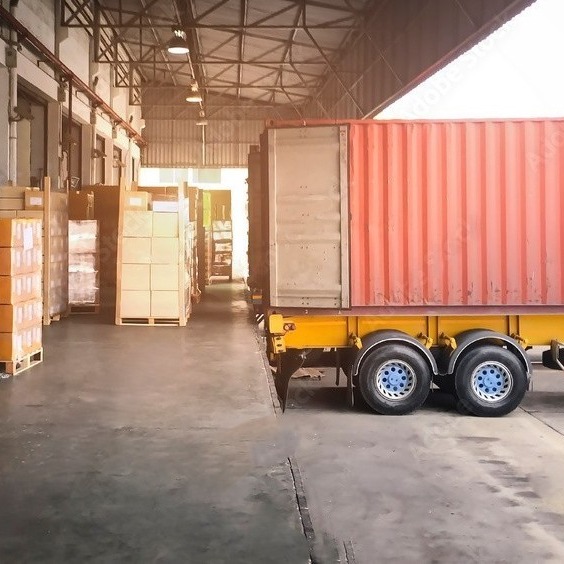
Dedicated trucking refers to a freight model in which a carrier or driver is contracted exclusively to serve a single shipper or customer on a consistent, ongoing basis.
Unlike spot-market or general freight hauling, dedicated trucking operates on predetermined routes, schedules and rate agreements. It’s the preferred model for many large retailers and distributors who prioritize stability and long-term solutions.
Here we will look at some of the primary benefits and drawbacks of a dedicated arrangement, both for businesses and truck drivers. This information can help you decide if this approach to freight hauling is right for your needs.
Understanding Dedicated Trucking
In a dedicated trucking program, a company reserves a set number of trucks, drivers and sometimes equipment exclusively for one client. For example, a large grocery chain might reserve a specific amount of equipment and labor to keep shelves stocked at each store.
Such contracts are usually structured on an annual or even multi-year basis with specified rates, lanes and service expectations. These contracts often include guaranteed minimum volumes, which protect carriers from the volatility of the open freight market.
The model is common in industries like grocery retail, automotive manufacturing, home improvement and consumer packaged goods. That’s one of the reasons you see branded or customized fleets on the road: because they are dedicated to a specific client’s needs.
Benefits
This type of arrangement comes with considerable perks.
Dedicated drivers usually enjoy consistent schedules and predictable home time compared to positions that might require more time on the road. They gain familiarity with regular customers and delivery locations, reducing stress and improving overall job satisfaction.
Shippers benefit from a consistent driving workforce familiar with their facilities, products and operational preferences over time. Having a reserved fleet means capacity is guaranteed even during tight freight markets, when trucks can be difficult and costly to source.
Carriers can plan exact maintenance, fuel purchasing and staffing when routes and volumes are known in advance.
Both parties benefit from rate stability compared to the potentially dramatic swings in the spot freight market. These dedicated arrangements tend to lead to better communication and faster problem resolution, since both parties have the chance to become familiar with one another.
Drawbacks
It isn’t always a perfect arrangement. There are some factors to keep in mind.
For drivers, a contract commitment can limit the ability to pursue higher-paying opportunities on the spot market when freight rates increase. While some drivers will enjoy the familiarity of repeated routes, others might get bored and possibly experience burnout after doing the same thing over and over.
Shippers who lock in long-term contracts may miss out on lower rates available during soft freight markets.
If the relationship between carriers and shippers goes bad, it can be difficult to exit a contract. Doing so might be expensive and stressful, so trust is a major factor in the overall success of such a partnership.
How Do Exclusive Transportation Services Compare to Other Logistical Models?
Dedicated trucking differs from common carrier or for-hire trucking because capacity is not shared across a pool of multiple shippers or available on the open market. It reduces volatility, but also creates fewer opportunities to take advantage of rate surges.
Third-party logistics providers, sometimes called 3PLs, may offer a more flexible middle ground. These organizations manage freight across a network of carriers to disperse risk and secure regular availability.
Some organizations choose to operate their own private fleets. This provides the most control, but also requires the biggest capital investment.
Most companies can’t justify this kind of financial commitment based on individual shipping needs. Not only must companies pay for the equipment, but they also have to manage the operation of the fleet, which is no easy task.
Dedicated trucking sits between private fleet ownership and fully outsourced logistics, giving shippers reliable capacity without the complexity of running a complete logistics operation. For carriers, dedicated contracts provide predictable revenue but require a deeper operational commitment to a single customer relationship.
How to Implement Dedicated Trucking
Setting up this kind of arrangement takes time and effort, but it can be worth it for the right client.
The first step is conducting a thorough freight analysis. This is done to identify lanes, volumes and delivery patterns that are consistent enough to justify a dedicated arrangement. If a firm finds that its needs justify the expense, it can request proposals from multiple dedicated carriers to compare service capabilities, equipment options and pricing structures.
All such arrangements should clearly define minimum volume commitments, rate adjustment mechanisms, performance metrics and exit terms to protect both parties.
For carriers considering this type of contract, it’s important to verify that potential partners have the fleet and workforce to meet the contract demands.
Once the relationship begins, it’s vital to conduct regular performance reviews and keep communication open. That way, participants can ensure that everyone is doing what they are supposed to do and verify that everyone is happy with the arrangement. As hard as it is to make adjustments to an ongoing contract, changes are generally easier than contract disputes.
The Best in Online Commercial Driver Training
Whether you are interested in becoming a driver in a committed fleet or you are looking to staff your fleet with qualified drivers, our online education courses can help. At SafeMotorist, we offer convenient, reliable commercial driver education courses that help future drivers prepare for their careers.
Our Entry-Level Driver Training (ELDT) prepares drivers to become commercial vehicle operators. This course is suitable for applicants seeking a CDL Class A or Class B for the first time. If you are trying to get into commercial driving or want to train your employees to do so, this is the course for you!