
How Soon Can You Drive After Getting a New Windshield?
Written by Tanya Gonzalez
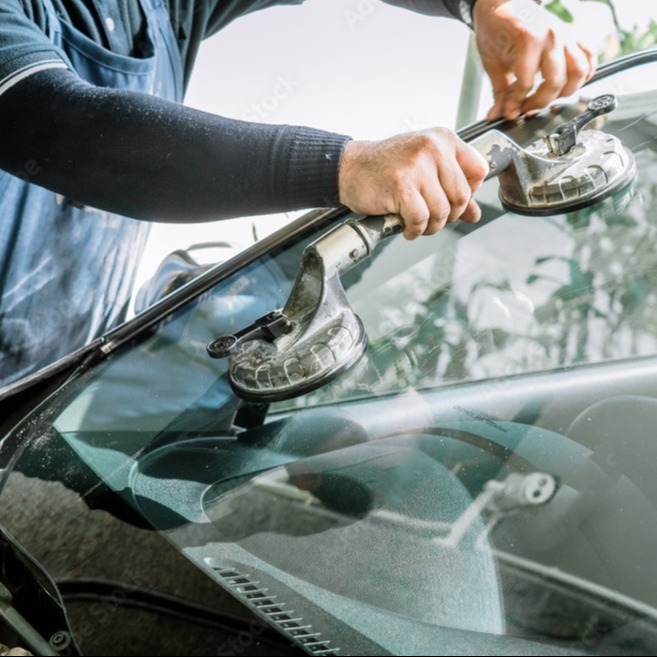
A windshield replacement is a pretty routine repair. The actual installation doesn’t take long, but that doesn’t mean your car is ready for normal use the moment it’s done. The material holding the glass in place still needs time to set and build strength.
How long you should wait to drive depends on a few things, like the type of adhesive used, the weather and even your vehicle’s design. Here’s what you need to know before getting back on the road.
Types of Windshield Adhesives and Cure Time
The type of adhesive used for your windshield installation plays the biggest role in how soon you can safely drive.
Urethane (Most Common)
This is the standard in most modern vehicles because it’s strong and flexible. Fast-cure versions may be ready in under one hour, while standard formulas take longer to firm up. Full hardening can take a couple of days.
Silicone-Based Adhesives
These are less common and are usually used in older vehicles or specific situations. While they hold up well in different temperatures, they don’t offer the same structural strength as urethane and typically take longer to fully set.
Resin (Used for Minor Repairs)
If you’re dealing with a small chip or crack, a resin repair might be enough. Since the original window stays in place, you can usually drive right away.
Other Factors That Can Impact Your Wait Time
Aside from the type of adhesive used, other variables can affect how quickly the sealant sets. These include:
- Temperature: Cold weather slows things down, while moderate warmth helps.
- Humidity: A little moisture can help bonding, but too much can cause issues.
- Vehicle design: Larger vehicles or those with sophisticated equipment may require a stronger seal.
It’s important to consider these factors before operating your vehicle.
When Is It Safe to Drive?
The minimum amount of time you should wait before driving your car after a windshield replacement is known as Safe Drive-Away Time, or SDAT. In many cases, that window falls somewhere between 30 minutes and a few hours.
However, SDAT only refers to when the vehicle can be safely moved — not when the bonding process is fully complete. The adhesive used to attach the glass continues to strengthen well after you leave the shop.
Your technician will always give you a recommended wait time based on the treatment they used, so follow their guidance.
Where to Take Your Car for a New Windshield
You’ve got a few options when it comes to service:
- Auto glass shops: The most common choice, often with same-day availability.
- Dealerships: Best for newer vehicles, non-U.S. models or those with advanced tech features.
- Mobile services: Technicians come to you at the location of your choosing.
Mobile service is especially convenient if you want to avoid moving your vehicle too soon.
Costs and Insurance Benefits
Replacement costs can vary depending on the type of vehicle you have and how you choose to pay for the repair. The base price for standard vehicle windshields is between $200 to $500. For those with sensors or specialty glass, prices can reach $700 or more.
Insurance can help cover these costs, but it depends on your policy and location.
States with Zero-Deductible Glass Coverage
Florida, Kentucky and South Carolina require insurers to waive the deductible for windshield replacement for drivers who have comprehensive coverage.
States with Optional or Limited Coverage
Most states require you to either pay a deductible or cover the cost yourself, unless you have full glass coverage.
If your deductible is higher than the repair cost, paying out of pocket may be the better option. Check your policy and shop around for prices before scheduling the service.
The Dangers of Driving Too Soon
It might be tempting to leave right away, but doing so can lead to problems that aren’t obvious at first. The glass might seem secure, but the bond underneath may still be weak.
That can lead to:
- Reduced protection during a collision
- Improper airbag deployment
- Leaks or wind noise from an incomplete seal
- Shifting or misalignment over time
Waiting the recommended amount of time helps avoid these issues and keeps everything functioning properly.
Care Tips for the First 24 Hours
The first 24 hours after getting a new windshield installed matter the most. Below are a few tips to ensure the replacement is successful.
Do:
- Follow your technician’s instructions
- Leave any retention tape in place for several hours
- Close doors gently
- Park on level ground when possible
Don’t:
- Slam doors
- Remove tape too early
- Go through a car wash right away
- Apply coatings or treatments immediately
For the next day or so, it’s best to take it easy. Small things like pressure changes or rough roadway conditions can affect how the adhesive settles.
ADAS Calibration: An Often Overlooked Safety Step
If your car has Advanced Driver Assistance Systems (ADAS), there’s a good chance recalibration is needed after glass replacement. These systems — like lane departure warnings and automatic braking — often rely on cameras mounted near the windshield.
Even a slight shift can throw them off. Not every vehicle needs recalibration, but many newer ones do, so it’s something worth confirming before you drive away.
Warning Signs: What to Look For
As with any motor vehicle service, things can go wrong. After the glass is installed, pay attention to how your car feels and sounds.
Look out for:
- Whistling at higher speeds
- Water leaks during rain
- Uneven edges
- Movement or looseness
If anything seems off, reach out to the installer. Most reputable shops will fix issues at no extra cost.
Safety First: When in Doubt, Wait It Out
Auto glass replacement may not take much time labor-wise, but being too quick to get back behind the wheel can lead to serious repercussions. The first 24 – 48 hours after installation are critical.
Waiting a little longer to drive off is a small step that helps prevent much bigger problems down the line.