
Parent-Led Driving Instruction: Building Safe Driving Skills and Traffic Law Knowledge
Written by Staff Writer
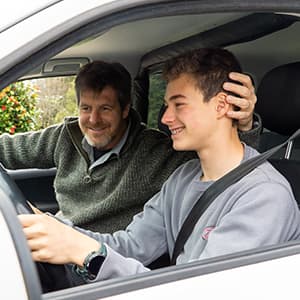
Starting on quiet residential streets lets the parent guide supervised driving sessions. This helps the new driver practice while learning road rules and safe habits in a calm setting.
Gradually Progress to Quiet Residential Streets for Teaching Driving
Gradually progressing to quiet residential streets is essential for teaching your teenager to drive. This step allows them to practice in a low-stress environment while gaining confidence. Start by ensuring they have mastered the basics in a safe area, like an empty parking lot.
Once your child is comfortable with the vehicle’s controls, begin practicing on quiet residential streets. The lower traffic levels make it easier to focus on steering, braking, turning and observing road conditions.
During these sessions, reinforce the rules of the road. Discuss speed limits, stop signs and yielding to pedestrians. Encourage your teenager to scan the environment, looking for potential hazards. This practice helps them develop situational awareness.
Keep the initial drives short—around 20 to 30 minutes—to reduce fatigue and frustration. This prevents fatigue and allows for better retention of information. As your child gains confidence, gradually increase the complexity of the routes. Introduce intersections and more traffic as they become comfortable.
Always maintain a calm demeanor. If your teenager makes a mistake, address it constructively after the maneuver. This approach fosters a positive learning environment and encourages open communication.
By gradually progressing to quiet residential streets, you help your teenager build the skills needed for safe driving. This method prepares them for more challenging driving situations in the future.
Obtaining a Proper Learner's Permit and Insurance for Teaching Driving
Follow these steps to ensure you are prepared for teaching driving.
- Check your state's rules for a learner's permit. Make sure your teen meets age and test requirements.
- Arrange a written test to check their knowledge of road rules and safe habits.
- Get the proper permit and insurance first. This lets your teen legally drive under supervision.
- Contact your insurer before practice begins to confirm when your teen must be added to the policy. Requirements vary by state and insurance provider.
- Begin lessons in an empty lot. This quiet space helps them learn basic vehicle handling.
- Talk about safety and expectations before each session. Stress the need to stay focused and avoid distractions.
- Keep early lessons calm and brief. Limit sessions to 20-30 minutes to avoid tiredness and frustration.
Pro-Tip: Stay aware of your own stress before and during each lesson. If you feel tense, pause and take slow, deep breaths. Speak in a calm, steady voice, even if mistakes happen. Avoid raising your voice or showing frustration.
Encourage your learner by pointing out what they do well. If emotions run high, suggest a short break. This helps both of you reset and return with a clear mind. Remember, your calm attitude sets the tone and helps the learner feel safe and confident.
Staying Calm and Keeping Early Sessions Short for Teaching Driving
Staying calm and keeping early sessions short for teaching driving is crucial. Short sessions, lasting 20 to 30 minutes, help prevent fatigue and frustration. This approach allows your child to absorb information better. A calm demeanor from the parent fosters a positive learning environment. If mistakes happen, correct them gently after the maneuver. Always ensure your child wears their seat belt before starting. This reinforces safe driving habits from the beginning.
Approach | Factors | Scope | Timeline | Costs | Risks |
Short Sessions | Focus on basics | Initial driving skills | 20-30 minutes | Low (fuel, wear) | Overwhelm |
Calm Environment | Parental attitude | Emotional support | Ongoing | None | Stressful interactions |
Frequent Practice | Consistency | Skill retention | Weekly | Low (fuel, time) | Inconsistent habits |
Build Up to Complex Traffic and Bad Weather Conditions for Teaching Driving
Building up to complex traffic and bad weather conditions is essential when helping your child learn to drive. Start by ensuring they are comfortable with basic driving skills in low-stress environments. Once they have mastered these skills, gradually introduce more challenging scenarios.
Begin with multi-lane roads. Teach your child how to change lanes safely and merge into traffic. Explain the importance of checking mirrors and blind spots. Use the three-second rule to maintain a safe following distance. This distance should increase to four seconds in bad weather.
Next, practice driving during different times of the day. Night driving presents unique challenges, such as reduced visibility. Ensure your child understands how to use headlights properly and adjust speed according to conditions.
Introduce various weather conditions gradually. Start with light rain, explaining how it affects stopping distances. Discuss the importance of using windshield wipers and headlights in rain. As your child gains confidence, practice in heavier rain or fog. Teach them to slow down and increase following distances in these conditions.
Always emphasize safety. Remind your child to stay calm and focused, especially in complex situations. If they feel overwhelmed, take a break and revisit the basics. This approach helps build their confidence and prepares them for real-world driving.
Supervised-driving requirements vary by state, so check your state licensing agency for the required practice hours, conditions and documentation. Keep a driving log and give your teen experience in different traffic, road and weather conditions as their skills improve.
Distraction is particularly dangerous for inexperienced drivers. Establish clear rules prohibiting phone use while driving and consistently reinforce seat belt use, speed limits and other graduated driver licensing restrictions.
By gradually exposing your child to complex traffic and bad weather, you equip them with the skills needed for safe driving in all conditions.