
California Permit and Provisional License Rules for Teens
Written by Staff Writer
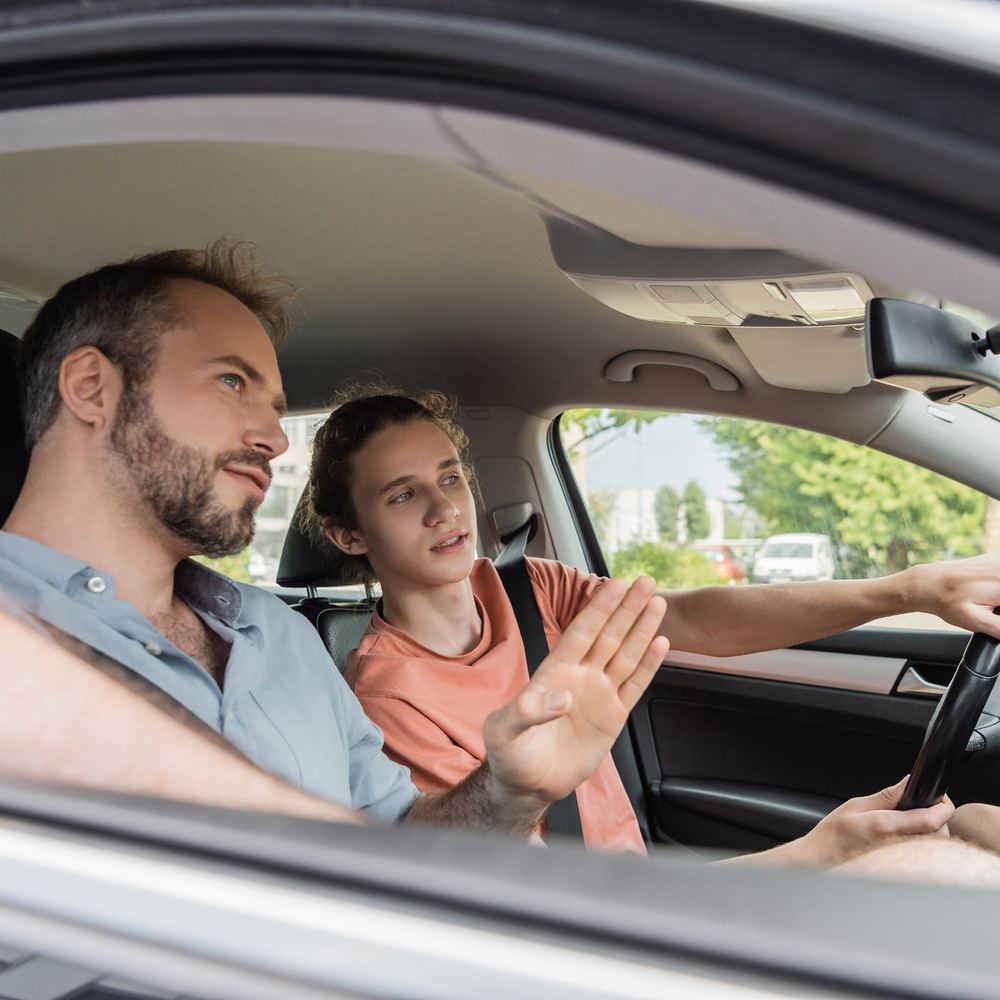
California’s teen driving laws give you time to gain experience before you drive on your own. Under the California Department of Motor Vehicles’ (DMV) provisional licensing program, you start with a learner’s permit and practice with supervision before taking your driving test.
Your age matters when you apply for a permit and again when you’re ready to take the driving test.
Say you get your permit two months before your 18th birthday. Once you turn 18, you can take the test without waiting another four months or showing proof that you completed driver education and professional training.
You’ll still need to meet the DMV’s other requirements for a first-time license.
Stages of California’s Licensing Program
- Learner’s Permit Stage. Once you have a valid permit, you can start supervised practice and work toward your driving test.
- Provisional License Stage. After you pass your behind-the-wheel test, the DMV issues a temporary paper license. You can drive on your own, subject to nighttime and passenger limits.
Condition | Details |
|---|---|
Learner’s permit age | At least 15 1/2. |
Supervised practice | At least 50 hours, including 10 at night. |
Instructor requirement | At least six hours of professional behind-the-wheel training before your driving test. |
Nighttime and passenger limits | Apply when you first get your provisional license. |
How Old Must You Be to Get a Permit?
You can get a California learner’s permit, also called an instruction permit, at 15 1/2. The California DMV lists these learner’s permit requirements:
- Pass a written knowledge test. The test assesses your understanding of California driving laws and safe driving practices. You need a score of at least 80% to pass.
- Pass a vision test. This checks that you meet the minimum vision standards for driving.
- Show proof of driver education. Bring a certificate showing that you completed an approved driver education course or enrolled in a program that combines driver education and driver training. The DMV requires 30 hours or 2 1/2 semester periods of classroom instruction. Home-study and online programs must meet the same requirements. If you’re at least 17 1/2, you can get your permit without proof of driver education.
If you’re required to take professional driver training, wait until your instructor signs and validates your permit before you practice. Your supervisor must sit close enough to take control of the vehicle if needed. See the California Driver’s Handbook and how to get a California learner’s permit.
DMV Application Process with Parent or Guardian Consent
If you’re applying for a California learner’s permit or driver’s license before you turn 18, you’ll need a parent or guardian’s consent.
- Application signature. Your parent or legal guardian must sign your driver’s license or ID card application. If your parents or guardians share joint custody, both must sign.
- Online approval. You and your parent or guardian need separate MyDMV accounts. You complete the application, and they use their account to approve it.
- In-person appointment. A parent or guardian must go with you to your DMV office appointment. See the application and appointment steps in the DMV Teen Driver Roadmap.
- Financial responsibility. By signing the application, your parent or guardian gives their consent and accepts financial responsibility under California law.
- License cancellation. Your parent or guardian can cancel your license by completing the Request for Cancellation or Surrender of a Driver License or Identification Card (DL 142).
How Long Must You Hold a Learner’s Permit?
You must be at least 16 to get a provisional license. The California DMV requires you to hold your learner’s permit for at least six months before scheduling your driving test.
- Driver training. Provide proof that you completed approved driver education and at least six hours of professional behind-the-wheel training.
- Practice. Complete at least 50 hours of supervised driving practice, including 10 hours at night. Your supervisor must have a valid California driver’s license and driving privileges free of probation. They must be 25 or older unless they’re your parent, spouse, guardian or a licensed or certified driving instructor. See the DMV’s practice requirements and California Vehicle Code section 12814.6.
- Driving test. Once you’ve held your permit for six months and finished your education, training and practice, you’ll need to pass the behind-the-wheel test. Bring proof of insurance for the vehicle you’ll use.
Provisional License Restrictions
With a new provisional license, you generally can’t do either of the following without a qualified driver riding with you and supervising.
- Nighttime driving. Drive between 11 p.m. and 5 a.m.
- Passengers. Carry passengers under 20.
Your supervisor can be your licensed parent or guardian, a California-licensed driver who is 25 or older or a licensed or certified driving instructor.
If you have no reasonable transportation alternative and need to drive during restricted hours or transport an immediate family member, you may qualify for an exception. Carry a signed note explaining why you need to drive and when the need is expected to end. The California Driver’s Handbook lists who can sign for each exception.
- Medical need. Your physician signs the note and includes your diagnosis and expected recovery date.
- School or a school-authorized activity. Your principal, dean or a designated school staff member signs the note and includes when the schooling or activity is expected to end.
- Work. Your employer signs the note, verifies your employment and explains why you need to drive.
- Immediate family. Your parent or legal guardian signs the note and identifies the family member, the reason for the trip and when the need is expected to end.
Emancipated minors who declared their status and submitted the required proof of insurance when applying for a permit can use a separate exemption without carrying a signed note.
Pro-Tip: If you feel left out because you can’t drive friends or get to social activities as freely as your peers, talk with your parent or guardian about the rules and how they help you build experience. You can still make plans with friends by arranging a ride with an adult or taking public transportation together.
When Do Provisional License Restrictions End?
The nighttime and passenger restrictions end 12 months after the DMV issues your provisional license. If you get your license before you turn 18, the DMV labels it provisional.
If you’re still under 18, the ban on using a phone while driving still applies, including hands-free use, except in emergencies. The DMV can also restrict or suspend a provisional license based on points on your driving record.