
Divided Highway Ahead: What Drivers Should Know
Written by Mary Salatino
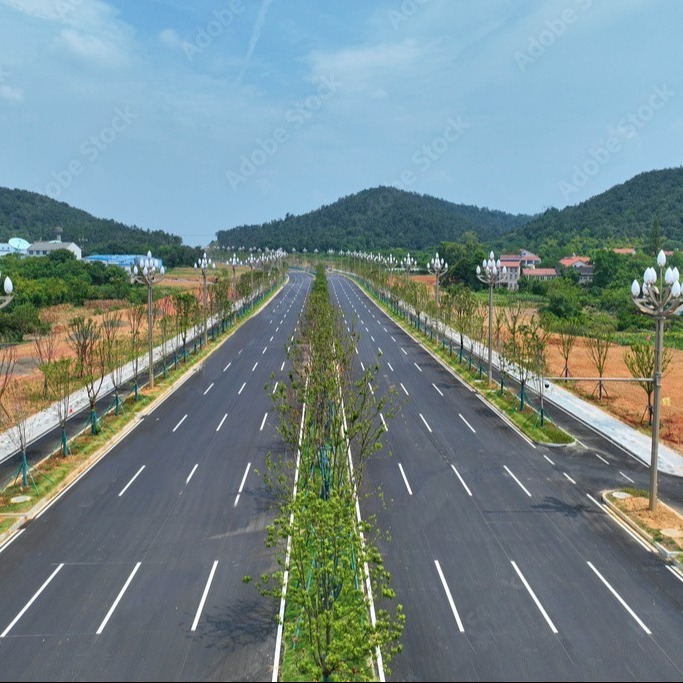
You’ve probably seen the Divided Highway Ahead sign before, but maybe you don’t always remember what it means.
It means more than the road is about to split with a median; it changes how you approach turns, crossings and lane positioning. If you’re not prepared, it’s easy to miss your chance to turn or make a last-second move.
In this article, we’ll explain what the sign looks like, what it means and how to respond so you can handle it the right way.
What Does This Sign Mean?
A Divided Highway Ahead warning sign alerts drivers that the road they are traveling on will soon change from a single, undivided roadway into a divided highway. This means traffic moving in opposite directions will be separated by a physical barrier or median.
The purpose of this sign is to give drivers time to prepare for a change in road layout. It helps prevent confusion, especially in areas where drivers might expect two-way traffic to remain side-by-side without separation.
Road signs like this are standardized across the United States under guidelines set by the Federal Highway Administration. So once you learn to recognize it, you’ll be able to understand it anywhere in the country.
What the Sign Looks Like
This sign has a distinct and recognizable design:
- Shape — Diamond (used for warning signs)
- Color — Yellow background with black symbols
- Symbol — Two vertical black lines that start close together at the bottom and curve outward, with a gap or median appearing between them
This visual represents a road that is splitting into two separate directions with a divider in between.

It’s important not to confuse this sign with similar ones. For example, a Divided Highway Ends sign looks somewhat similar but shows the opposite situation, where a divided road is about to merge back into a single roadway.

What Divided Highway Means
A divided highway is a road where opposing directions of traffic are separated by a physical barrier or median, rather than just a painted line. This separation improves safety by reducing the risk of head-on collisions. Dividers can take several forms, including:
- Grass or landscaped medians
- Concrete barriers
- Metal guardrails

Divided highways are commonly used on busier or higher-speed roads because they:
- Increase safety by separating traffic directions
- Help manage traffic flow more efficiently
- Reduce the likelihood of serious accidents
When you see this sign, it means you’re about to enter this type of roadway, and your driving decisions will need to adjust accordingly.
Where You’ll Typically See This Sign
The Divided Highway Ahead sign is usually placed before a road changes from two-way traffic into a divided roadway, giving drivers time to adjust.
You’ll commonly encounter this sign in situations like:
- Rural or suburban roads transitioning into larger, higher-speed highways.
- Approaches to major routes or interstates, where traffic becomes more structured
- Roads where a median begins unexpectedly, especially after a long stretch of undivided pavement.
- Areas with increasing traffic volume, where separation improves safety.
The sign is positioned far enough in advance so drivers can prepare for changes in turning options, lane positioning and overall traffic flow.
How Drivers Should Respond
When you see this sign, start thinking ahead and adjusting your driving. Here’s how to respond:
- Stay in your lane. As the road divides, lane alignment may shift slightly. Keep your vehicle centered and follow the roadway markings.
- Prepare for a median. Be aware that a physical barrier or separation is about to appear, which will limit where you can cross or turn.
- Plan your turns early. If you need to turn left, make sure you do so before the divider begins. Or, you can look for designated turn lanes or U-turn areas ahead.
- Watch your speed. In some cases, speed limits may change as the road transitions, so stay alert and adjust if needed.
- Follow directional signage. You may also see “Keep Right” or directional arrows guiding you around the median.
The main idea is anticipation. This sign gives you time to prepare for your next move.
Avoid These Mistakes
Even though the Divided Highway Ahead sign is relatively easy to recognize, drivers — especially those with less experience — often make preventable mistakes when approaching this type of road change.
One of the most common errors is waiting too long to make a turn. Some drivers continue forward without realizing that a median is about to begin, only to find that their opportunity to turn left has passed. This can lead to sudden, unsafe decisions or the need to drive farther than expected to find a legal turning point.
Another mistake is attempting to cross the divider after the highway becomes split. Once a physical median is in place, crossing it is typically illegal and dangerous unless there is a clearly marked opening designed for that purpose. Misjudging this can put drivers at risk of collision.
Confusion between similar-looking signs can also cause problems. Drivers sometimes mistake this sign for one that indicates a divided highway is ending, which creates the wrong expectation about how traffic will behave ahead. This misunderstanding can lead to poor positioning or hesitation on the road.
Finally, some drivers fail to adjust their expectations as the road changes. Not anticipating restricted turning options or changes in traffic flow can result in abrupt braking, missed exits or unsafe lane changes. Recognizing the sign early and understanding what it implies helps drivers stay calm, make better decisions and maintain safe, predictable movement with the flow of traffic.
Want to Learn More?
Take the next step in building your driving expertise with SafeMotorist. Explore more of our driving articles to get the knowledge you need to pass your test and stay safe on the road.