
Tire Care: The Dos and Don’ts
Written by Mary Salatino | Edited by Michael Purser
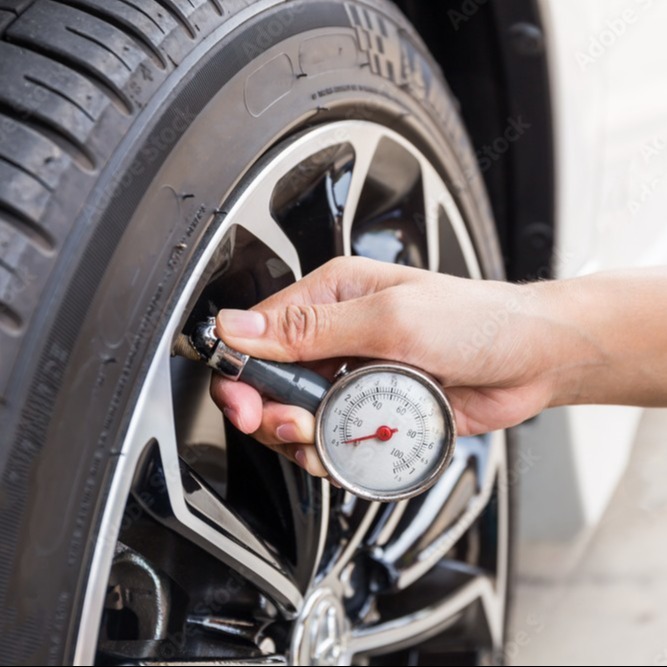
Most drivers don’t think about their tires until something goes wrong. As long as the car moves properly, it’s easy to assume they’re fine.
The reality is, tires give small warning signs long before bigger problems show up. With a few simple habits, you can extend their lifespan, improve safety and avoid unnecessary costs.
Let’s start with the basics.
Why Tire Care Actually Matters More Than You Think
Everything your car does — stopping, turning, gripping in rain or snow — depends on them.
When tires are neglected, the effects don’t show up all at once. They creep in:
- Stopping distances get longer.
- Fuel economy slips a bit.
- The car feels off in corners or on wet roads.
And then there’re the big ones: blowouts or loss of control.
The upside is that proper tire care is one of the simplest ways to make your car safer and cheaper to run. A little attention here tends to pay surprising dividends.
Getting Comfortable with Your Tires (Without Overthinking It)
If you look at the side of a tire, you’ll see a mix of numbers and letters like 225/60R17. It looks like code, but those characters tell you the width, shape and wheel size. You don’t need to memorize it. You just need to know it matters when replacing tires. You don’t want to end up with the wrong fit.
There’s also a small but important detail stamped on every tire: the DOT code. That tells you when the tire was made. Tires age, even if they look fine. Rubber slowly hardens over time, which means an older tire that looks good might not perform like one fresh off the factory floor.
And then there’s tread: the patterned grooves on the ride surface. They move water away from your wheel so the tire can grip the road, instead of slide on it like a hockey puck on ice.
Once you learn these basics, it removes the mystery and allows you to treat tires just any other part of regular maintenance.
Tire Pressure: The Habit That Quietly Saves You Money
If there’s one tire habit worth keeping, it’s regularly checking pressure.
Many people either assume:
- If it’s flat, I’ll notice.
- My car tells me when something’s wrong.
Both are only partly true.
Tires can be underinflated for weeks before a warning light comes on. And even then, that light usually means something is off, but does not indicate the exact issue.
The correct pressure for each vehicle is usually listed on a sticker inside the driver’s door or in the owner’s manual, not on the tire itself. That number is the maximum recommended by the manufacturer, but isn’t always the ideal value for every situation.
Why it matters:
- Low pressure creates a larger tire contact patch, increases heat through friction and causes faster wear.
- High pressure lowers grip, creates a rougher ride and may lead to uneven wear in the center of the tread.
- Wrong or uneven pressure may cause your tires to slowly wear out in ways you won’t notice until later.
Ambient temperature plays a role, too. Cold mornings can drop pressure. Hot afternoons can raise it. That’s normal, but it’s why checking once a month is a good rhythm.
Tire Rotation: The Simple Trick for Getting More Life Out of Your Tires
Tires don’t wear evenly.
For most passenger vehicles, the front tires usually do more steering and braking. Rear tires just follow along. On trucks and SUVs, weight distribution or all-wheel drive (AWD) can change things.
That uneven workload means some tires wear faster than others unless you shuffle them around periodically. That’s what rotation is: Moving tires to different positions so they wear more evenly over time.
Most drivers rotate tires somewhere around every 5,000 to 7,500 miles — roughly when you’d also get an oil change.
What happens if you skip it?
- One or two tires wear out early.
- You end up replacing a full set sooner than expected.
- The car can start to feel slightly uneven on the road.
Different cars use different rotation patterns, depending on whether it is a front-wheel drive, rear-wheel drive or all-wheel drive vehicle.
Rotation basically just gives each tire a fair shot at doing the same amount of work over its life.
Wheel Alignment and Balancing: When the Car Starts Feeling Weird
Most drivers don’t think about alignment until the car starts acting a little strange. That’s usually the alignment talking.
Wheel alignment measures how your tires are angled relative to the road and each other. When it’s right, everything rolls cleanly. When it’s off, your tires start fighting the road.
Some common signs:
- The steering wheel isn’t centered when driving straight.
- The car pulls to one side without you steering.
- Tires wear unevenly, especially on the edges.
Then there’s balancing, which is a different issue. If alignment is about direction, balancing is about smoothness. A tire that’s even slightly unbalanced will shake at certain speeds, often felt through the steering wheel or seat.
You might notice:
- A vibration that shows up around highway speeds
- A buzzing feeling in the steering wheel
- Uneven wear that doesn’t match alignment issues
Hitting potholes, curbs or rough roads can knock both alignment and balance out of whack.
Tread Depth: Measuring the Lifespan of Your Tire
You see the treads on your tires every time you climb into your vehicle. But you probably don’t stop to measure them all that often.
The tread is the grooved pattern on your tires, and its job is simple: move water, slush and debris out from under the tire so rubber can stay in contact with the road.
As the tread wears down, it gets too shallow to do that job effectively. Your tire stops gripping the road effectively. That’s when it becomes more likely to hydroplane in rain or slide on snow.
A quick way to check it at home is the penny test:
- Stick a penny into the tread with Lincoln’s head down.
- If you can see the top of his head, your tread is getting too low.
Most tires also have built-in wear bars, which are small, raised strips inside the grooves. When the tread wears down to the same level as those bars, the tire is basically telling you it’s done.
Uneven tread wear tells a story, if you know what irregularities mean:
- Worn edges usually point to underinflation.
- A worn center suggests overinflation.
- One-sided wear often hints at alignment issues.
Tread shows wear can also reveal bad driving habits!
Driving Habits That Quietly Wear Tires Down
Two drivers can own the same car, equipped with the same tires, and still get very different lifespans depending on habits.
A few silent tire killers include:
- Hard braking that scrubs rubber off the tread
- Fast acceleration that spins the tires slightly before gripping
- Taking corners aggressively, especially at speed
- Regularly hitting potholes or scraping curbs
Even carrying extra weight more often than necessary can speed up wear. Tires are rated for loads, but constantly pushing those limits adds stress over time.
Tire Inspections and When to Replace
A quick monthly walk-around can catch most tire problems before they become serious.
Check for:
- Correct tire pressure, especially if any tire looks low
- Adequate tread depth with visible grooves
- Sidewall damage like cracks, bulges or cuts
- Nails, punctures or debris stuck in the tread
Don’t rely on a visual inspection alone to tell you it’s time for a replacement. Tires should generally be replaced after about six years, even if tread remains. Rubber degrades with age.
Other clear signs include:
- Treads worn down to wear bars or legal minimum depth
- Repeated air loss
- Uneven wear or persistent vibration
If a tire feels inconsistent on the road, it’s usually past its safe point.
Get More Driving Tips with SafeMotorist
Good tire care doesn’t take much time, but it makes a real difference in how safely your vehicle performs.
If you want more tips like these, or you are ready to take the next step in maintaining your vehicle, visit SafeMotorist for trusted guidance, safety resources and driver education designed to keep you on the road.